Pagan Ritual Song
A course for the reclamation of earth-honouring singing practice
January 11 - March 15, 2026
Why does ritual song matter?
People living in western cultures are in a moment in time where both ceremony and song have largely left our sphere of influence, and are for the most part managed for us by professionals.
Religious and community leaders host our most spiritually important events: weddings, funerals, worship, even seasonal celebrations. Occasions like Christmas and Easter, which used to be regional markers of a change in local weather, flora and fauna, and are now global phenomena sometimes entirely disconnected from tangible matters of the Earth.
And since the development of radio and recorded music, the practice of singing has left the fireside, the road, the workbench and the kitchen in favour of “official” versions of songs found on mp3s and records, and delivered by performers who stand on stages sharing impressively original and well-rehearsed compositions.
The professionalization of music and ritual is not in itself a problem, but it is worth taking a moment to consider the resulting absences.
Where ritual song once lived
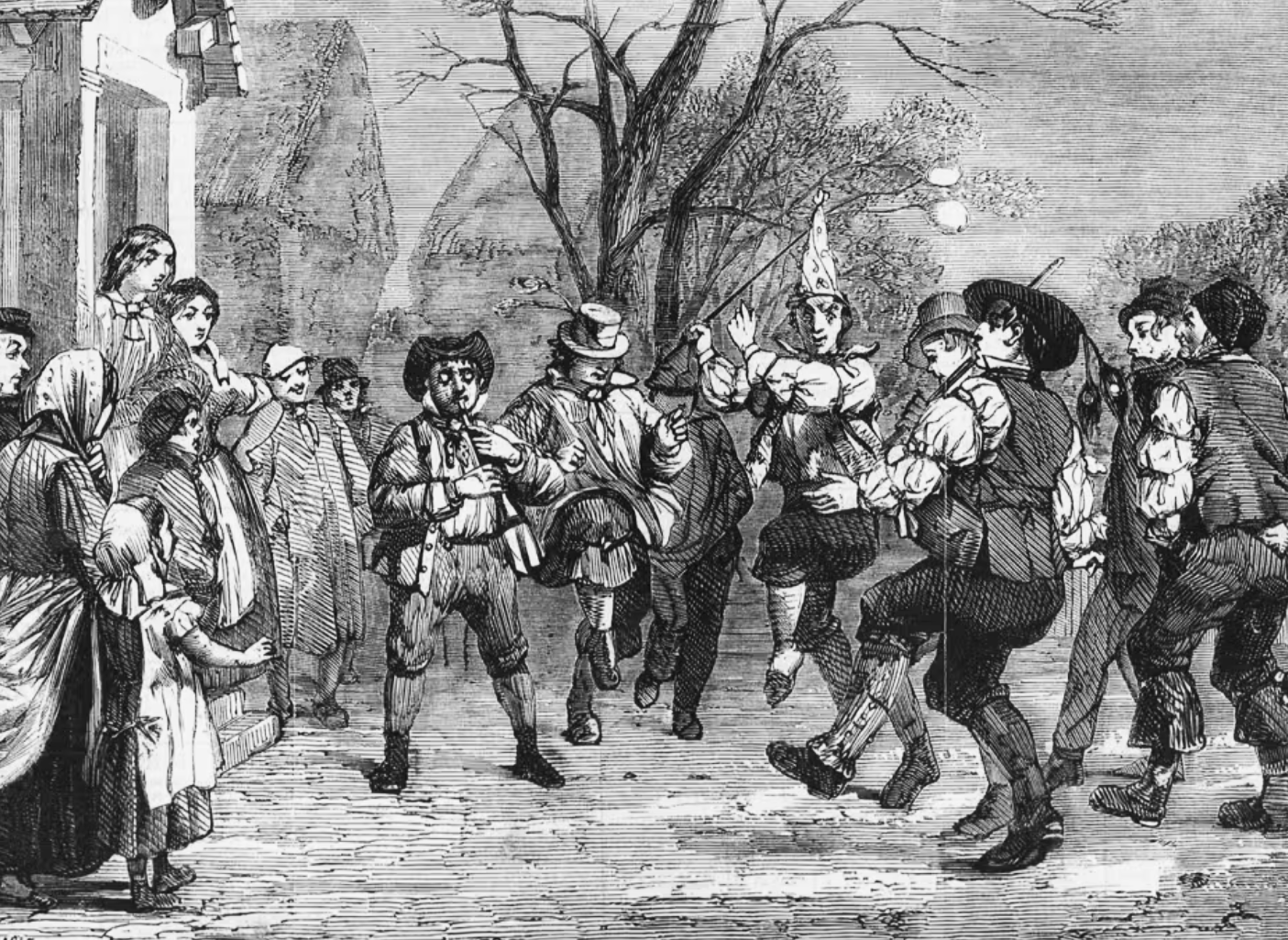
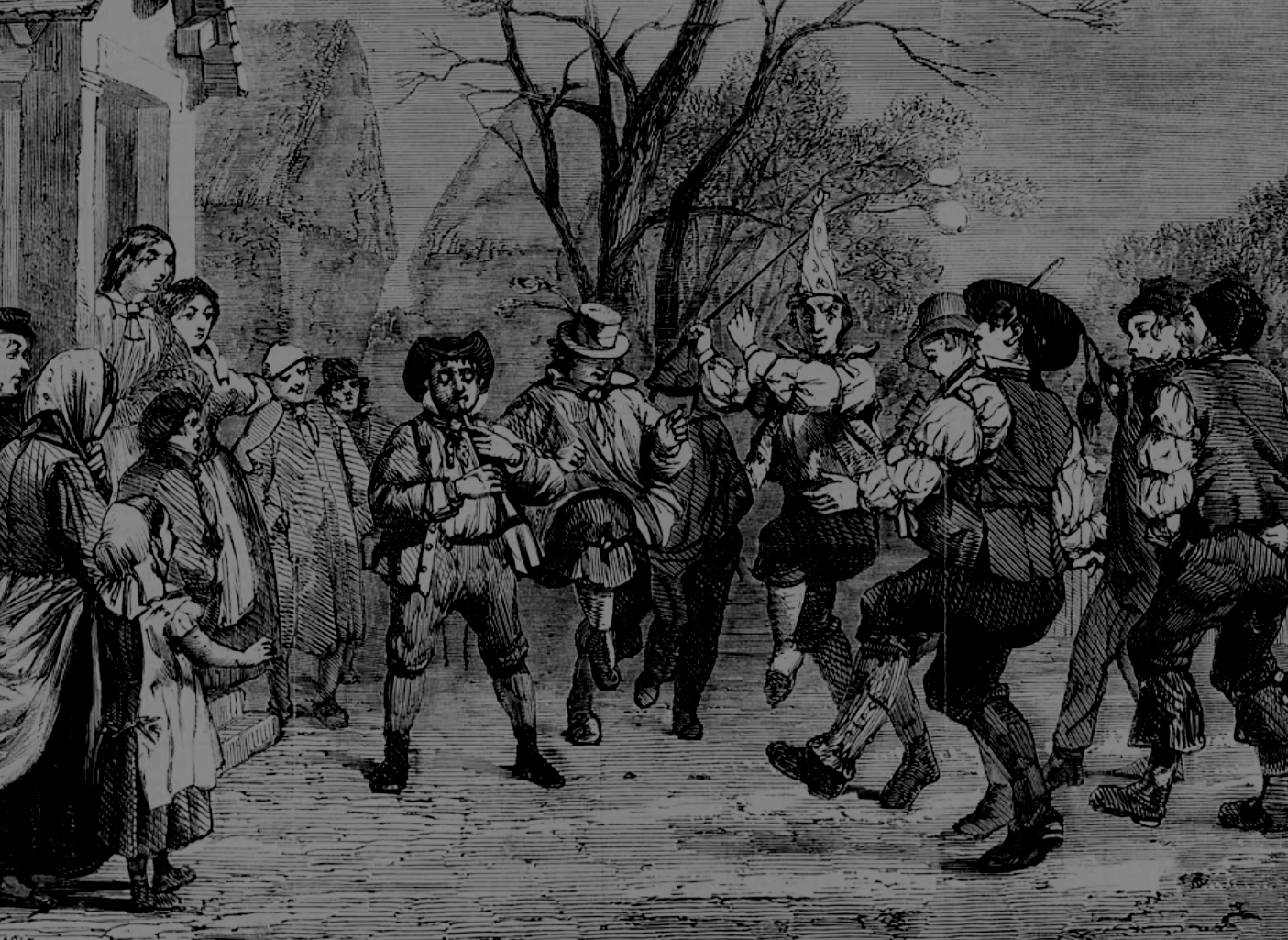
The sweet chaos of door-to-door carolers, mummers, and wassailers
A sung toast at dinner
Odes to beloved trees at the trailside or fruit trees on the farm
An anthem to one’s village, valley or river
The easy invocation of bits of ancient poetry, in well-known melodic formulas
The simple offering of music to the spirit of place, to one’s beloved friend, parent, child, to a god, a saint, an animal, or supernatural creature
Songs to the sunrise and the sunset, songs to the moon, songs for wildlife and domestic life, songs for birth and songs for death
Join Pagan Ritual Song Course for
£345 (Roughly $455 USD)
For the three-month payment plan @ £115/month click here!
Sales end December 27th.
These treasures of song are still here with us in folk tradition, in the archive, and in our inherited creativity.
All we need to do is decide to embrace and take ownership of these songs once again.
What you'll get out of this course
The lay of the land
A generous survey of what pagan ritual song is historically, from epic poetry through supernatural and seasonal folk song, as well as examples of what it can be now.
Inspiration
Plenty of tools, resources, and encouragement for creating and learning ritual song, especially suggestions for traditional texts, melodies, and topics to adopt and remix.
Community
We will meet bi-weekly to share the songs we are creating and learning. You'll also have access to a private discord server where you can connect with your classmates and share ideas and mutual support. There you can collaborate, make playlists, foster friendships, and plan extra meetings together as you wish!
Structure
Our song-sharing sessions will give you a (gentle) deadline to help motivate you to get on with it and make or learn a song! Deadlines that involve other people really help me to let go of perfectionism. I hope this helps you as well.
Class & Meeting Schedule
Sunday, January 11 : Class 1: Ancient song: What do we know about European song before Christianization?
Saturday, Janury 17: Song-sharing session
Sunday January 25: Class 2: Offering and request: Prayers and charms past and present
Saturday January 31: Song-sharing session
Sunday February 8: Class 3: Ballads of the supernatural: pagan themes hidden in plain sight
Sunday February 15: Song-sharing session
Sunday February 22: Class 4: Blessing the moment: songs for specific occasions
Sunday March 1: Song-sharing session
Sunday March 8: Class 5: Seasonal song: songs to honour the cycle of the year
Sunday March 15: Final song-sharing session
All meetings are on zoom at 11 am PT / 2 pm ET / 7 pm BST.
All lecture classes are live and recorded and all song-sharing sessions are live and unrecorded.
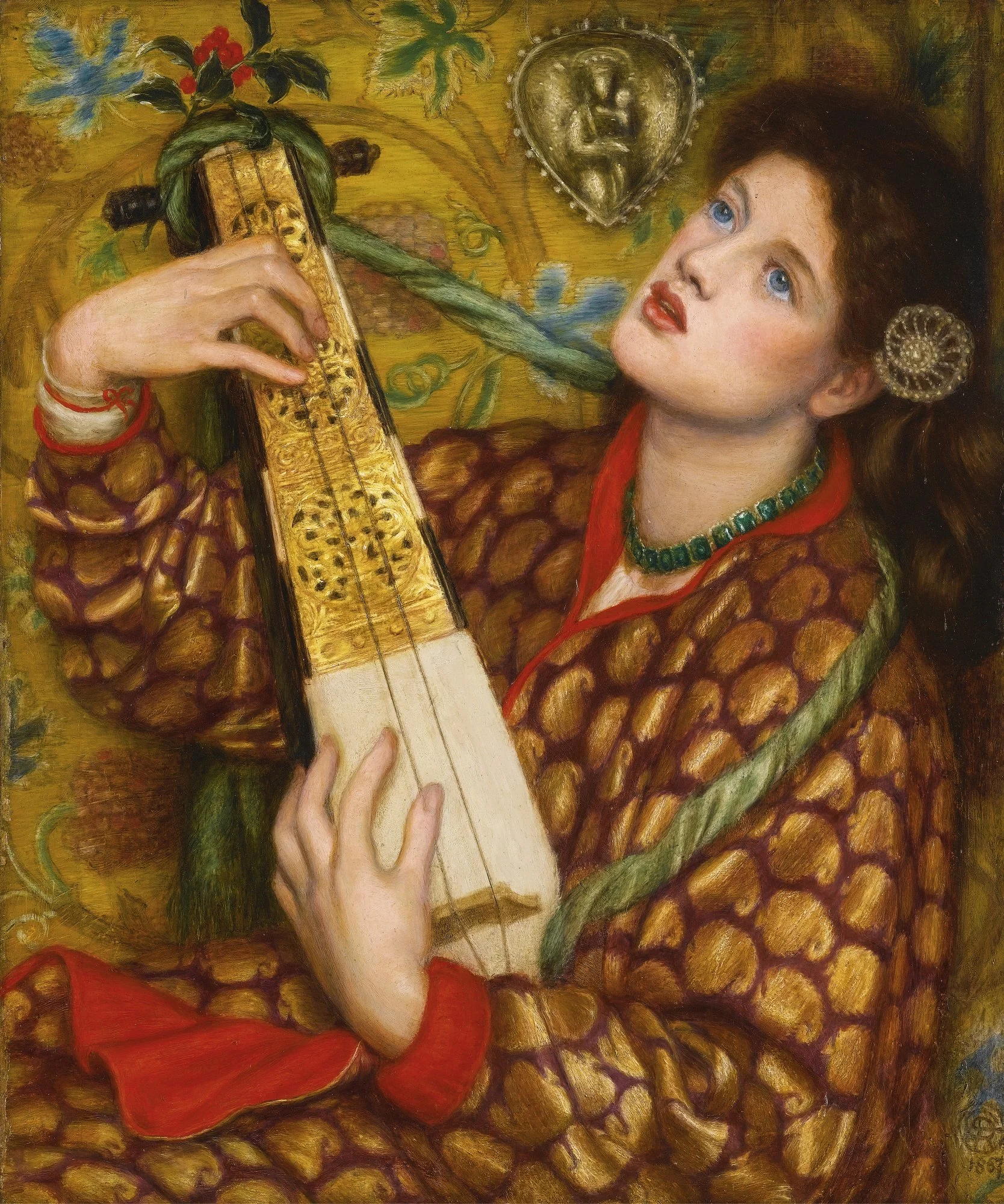
We deserve to sing too, and future generations may thank us for carrying on and reviving these sacred traditions.
Join us in the Pagan Ritual Song course this winter to get the support and community you need to deepen your relationship to sacred song!
This course is for you if…
You wish to build confidence in creating and sharing songs for special occasions and spiritual gatherings
You wish your engagement with spirituality felt more embodied and integrative
You long to carry traditional culture in a deeper way
You want to be able to offer something sincere and traditional to the land, to spirits, gods, trees, animals and other beings
You desire a larger repertoire of songs, chants, hymns for the contexts that actually matter to you
You sometimes find pagan ritual contexts awkwardly quiet!
From past participants:
The Pagan Ritual Song course was not only a profound spiritual experience but from it I created songs I sing weekly and seasonally to this day. Some of these songs I have shared with my community (we sing it every week at our community dinner). Some of these songs were not even mine but created in community to be shared.
I will be absolutely signing up for round two and am so stoked she is doing it again!
-Karmen
“This class was rich with information and historical context, as Danica’s offerings always are, but it also included ample opportunity for creativity and creation, and sharing with the group.
I’ve come away from the class with inspiration, encouragement, and practical ideas for my own songwriting practice.”
-Britt Malec
“Danica’s pagan ritual song course was eye-opening and inspiring. I hadn’t realized how much I needed my own song to come into my practice and life until I took this course.
Her knowledge and guidance was priceless and the songs I created because of these shared gifts are songs that still live in my heart and are sung almost daily.
It’s a step towards connecting with yourself and well worth the time and investment”
- April
F.A.Q.
I’m shy about singing in front of people. How can I be sure this course will be the right balance of challenging and safe for me?
In the song-sharing sessions we are coming together to share, not give critical feedback.
These sessions will also be completely live and unrecorded, so nobody who wasn’t “in the room” at that time of the call will ever hear what you shared there again unless you sing it for them yourself! Just like the old days. The purpose is mutual support and celebration (and the gentle pressure of a deadline), but never evaluation.
I can’t make it to all of the classes. Will I be left behind?
All five of the lecture-based classes will be recorded and made available for download. Classes are not cumulative, so if you miss one, it will not be a problem.
The live song-sharing classes will not be recorded however, so if you want to attend them you will need to be free at that time.
I won’t have time to do every suggested assignment. Can I still come to the classes and/or sharing sessions?
Please, yes, come to everything you want, no matter how much or little you are able to participate! We love that you would join us and there is really no reason not to participate at whatever capacity you can.
What are the requirements? I’m not a musician.
Though there have been professional musicians around for millenia, song has always belonged to all people, whether or not they had special training or “talent.” The more we let ourselves sing and encourage others to sing as an ordinary (and sacred!) part of life, the more we trust our right to participate in and share song.
In summary, there are no special requirements aside from interest.
What do you mean by “pagan”?
Though definitions vary, what I mean by paganism in the context of this course is reverence for the living world, with no doctrinal nor ceremonial specifics.
Paganism is another word for traditional European spiritualities; much like other indigenous traditions of the world, this diverse approach to spirituality emphasizes kinship with other beings (including those considered “inanimate” in the western scientific worldview), the making of offerings, seasonal festivities, and engagement with spirits and gods.
Music and song played a primary role in pre-Christian ritual, and still do in religious traditions worldwide. Modern English-language paganism has an underdeveloped music tradition. Many of us long to change this!
I’ve taken this course before and I’m considering taking it again. How different will be it be? (and can I have a discount?)
The more pagan song the better!
Folks are very welcome to join the course a second time, as the activities will be just as enjoyable a second time as they were the first — perhaps more, as your comfort level with the material increases.
The lecture classes will be very similar to the last time I offered the course — taught live on Zoom with Q&As — but this time, instead of one final song-sharing gathering, there will be a song-sharing gathering for every single unit. This means we will have ample opportunity to gather and support one another in the creative process.
If you took the course before, you can indeed have a discount. Please email me for the code!
Pagan ritual song re-enchants the world.
The root of the word enchant is chanter - to sing. When we use our voices to connect with the sacredness of the world, we re-ignite nourishing relationships to place, to other beings, to the more-than-human and the unseen.
When we build nourishing relationships, we sing the more loving world that we long for into being.
Right relationship is built on offerings in good faith. Song is one of the simplest and most beautiful offerings available, and it's one that all of us are capable of giving.
When we trust in our own capacity to gift our unique, embodied song to the world, this offering knits us together with all of our ancestors, building connection between worlds, from the past, through the present, and into the future.